
High Tide Team
The State of CFI Jobs in North Carolina: 2026 Guide
CFI jobs North Carolina pilots are targeting in 2026 still offer one of the clearest first paid steps in aviation. If your long-term goal is an airline, charter, corporate, or specialized flying job, flight instructor jobs can help you build hours, sharpen judgment, and prove that you can teach, not just fly.
The market is not one-size-fits-all. Some flight instructor jobs north carolina candidates find are built around basic private pilot training. Others focus on advanced systems, structured syllabi, simulator work, or a mix of towered and non-towered flying. If you want to stand out, your training path needs to prepare you for the kind of students and aircraft employers actually use.
CFI Jobs North Carolina: What Employers Need in 2026
The broad pilot market still matters because it feeds the instructor market. The Bureau of Labor Statistics projects 5% growth for airline and commercial pilots from 2024 to 2034, and it notes that some commercial pilots work as flight instructors while building experience for later roles. That keeps CFI work relevant in 2026.
In North Carolina, that means you are not just competing on total hours. You are competing on how well you brief, how clearly you communicate, and how comfortably you operate inside a structured training environment. Many schools need instructors who can move students from first lesson through checkride prep without creating gaps in safety or consistency.
High Tide Aviation supports that full ladder with training from the private pilot level through instrument, commercial, and flight instructor training. The benefit is simple: you can build your habits inside one system instead of relearning procedures every time you change schools. The decision takeaway is to pick a school that prepares you to teach, not just pass.
Build Your Ratings on a Path That Saves Time
If you want flight instructor jobs, the fastest route is usually not the cheapest-looking hourly rate. It is the training path that keeps you moving. High Tide Aviation offers both FAA Part 141 and Part 61 training, and its structured Zero to Hero path is designed for students starting with no experience and working toward commercial-level flying.
Part 141 matters because the FAA minimums are lower in approved programs. For private pilot training, the minimum can drop from 40 hours to 35. For commercial pilot training, the minimum can drop from 250 to 190. That does not guarantee you will finish at those numbers, but it does show how a structured syllabus can reduce wasted time.
That structure becomes even more useful when you are planning private, instrument, and commercial training with CFI training in mind. You want lessons, stage checks, and study habits that build on each other. If budget is part of the decision, High Tide also offers financing options plus support around 529 plans, scholarships, and North Carolina funding paths. The decision takeaway is to compare total momentum, not just the aircraft rate on day one.
Train in Airspace That Makes You More Employable
Strong instructors do more than demonstrate maneuvers. They explain workload, airspace, radio calls, weather choices, and cockpit management in real time. That is why training environment matters so much for future CFIs.
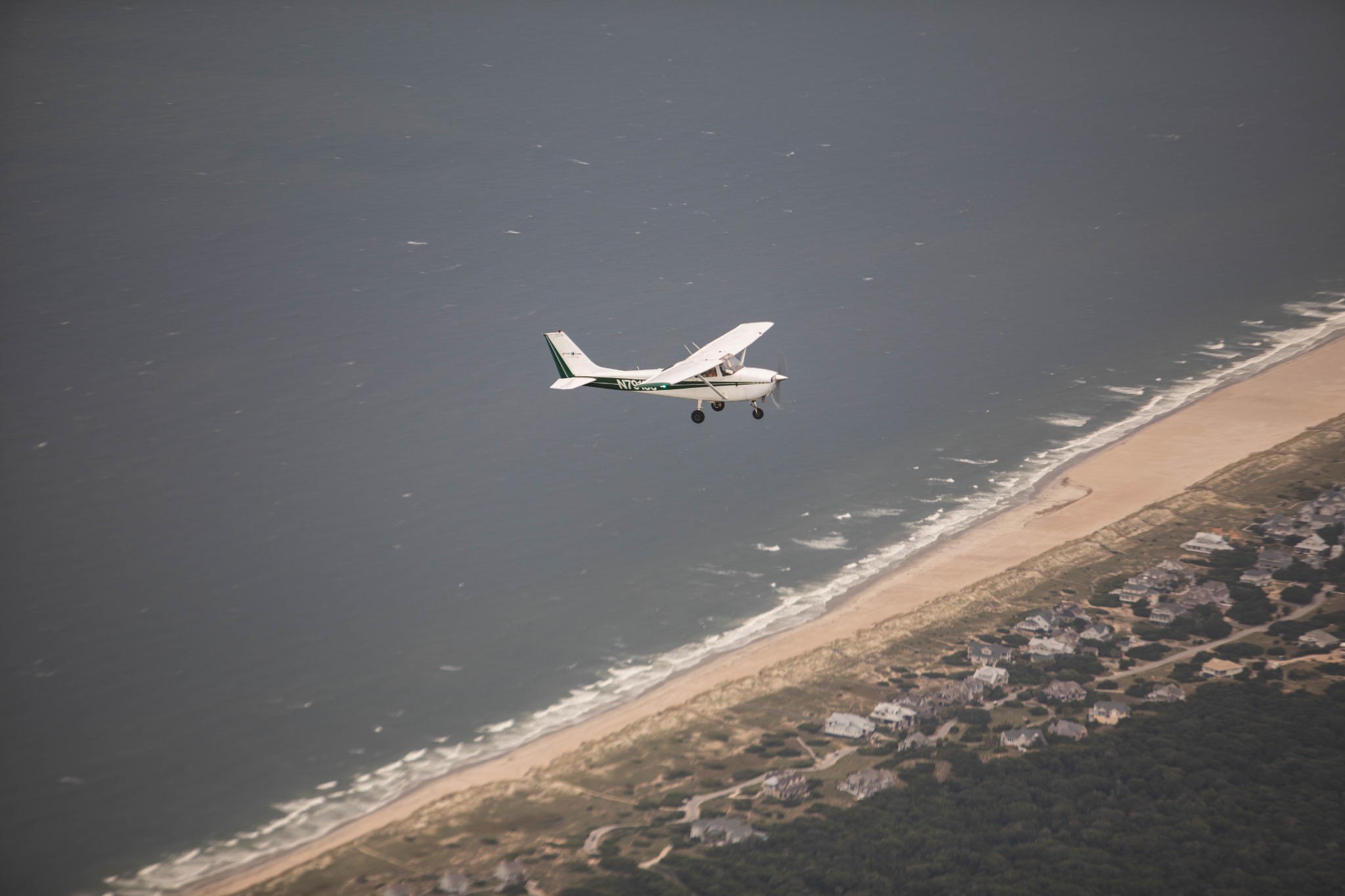
High Tide Aviation gives students access to both Wilmington’s Class C airspace and non-towered operations in Southport and St. Simons Island. At the same time, the coastal setting creates over-water flying and changing weather patterns that force you to plan well and stay ahead of the airplane. If you are comparing a flight school Wilmington NC pilots can reach easily with a quieter single-airport option, this mix is a real advantage.
Flying near Wilmington, NC feels different from staying in one calm practice area every day. You can brief a student for towered communication, move into a different airport environment, and teach practical decision-making along the shoreline. That kind of variety makes your later instruction more credible because you have already worked in more than one operating style. The decision takeaway is to train where you will have something useful to teach later.
Compare Schools the Way an Employer Would
Not every school produces the same kind of instructor. A hiring manager or chief instructor is usually looking past total hours and asking a harder question: what kind of training background does this pilot bring into the classroom and cockpit?
| Decision point | Common alternative | High Tide Aviation setup | Why it matters for CFI work |
|---|---|---|---|
| Training structure | Part 61 only or loosely paced training | Part 141 and Part 61 options | You learn to follow and teach a repeatable syllabus |
| Airport exposure | One airport type | Wilmington Class C plus non-towered fields | You can teach students in more than one environment |
| Aircraft technology | Older round-dial aircraft only | Garmin G3X, G500, dual G5, GI 275, GTN 650, GNX 375, and more | You are better prepared to brief modern cockpits |
| Maintenance support | Outside maintenance queue | In-house FAA-certified mechanics | Fewer delays means better student continuity |
| Training support | Student handles most logistics alone | Dedicated Student Support Department | Smoother scheduling and clearer next steps |
High Tide Aviation also operates a 12-aircraft fleet and a Redbird FMX full-motion simulator. That gives you more ways to stay current on procedures and less exposure to the stop-start schedule problems that can slow a future instructor’s progress. If you want a deeper picture of how discipline shapes training quality, the blog post on aviation safety standards at High Tide Aviation is worth reading. The decision takeaway is to judge the whole training system, because that is what employers notice later.
Why High Tide Fits Pilots Chasing Flight Instructor Jobs
CFI training is the point where your flying skill has to turn into teaching skill. That means the right school should help you build both technical ability and instructional consistency. High Tide Aviation is positioned well for that because it combines structured training, modern avionics, in-house maintenance, and student support in one place.
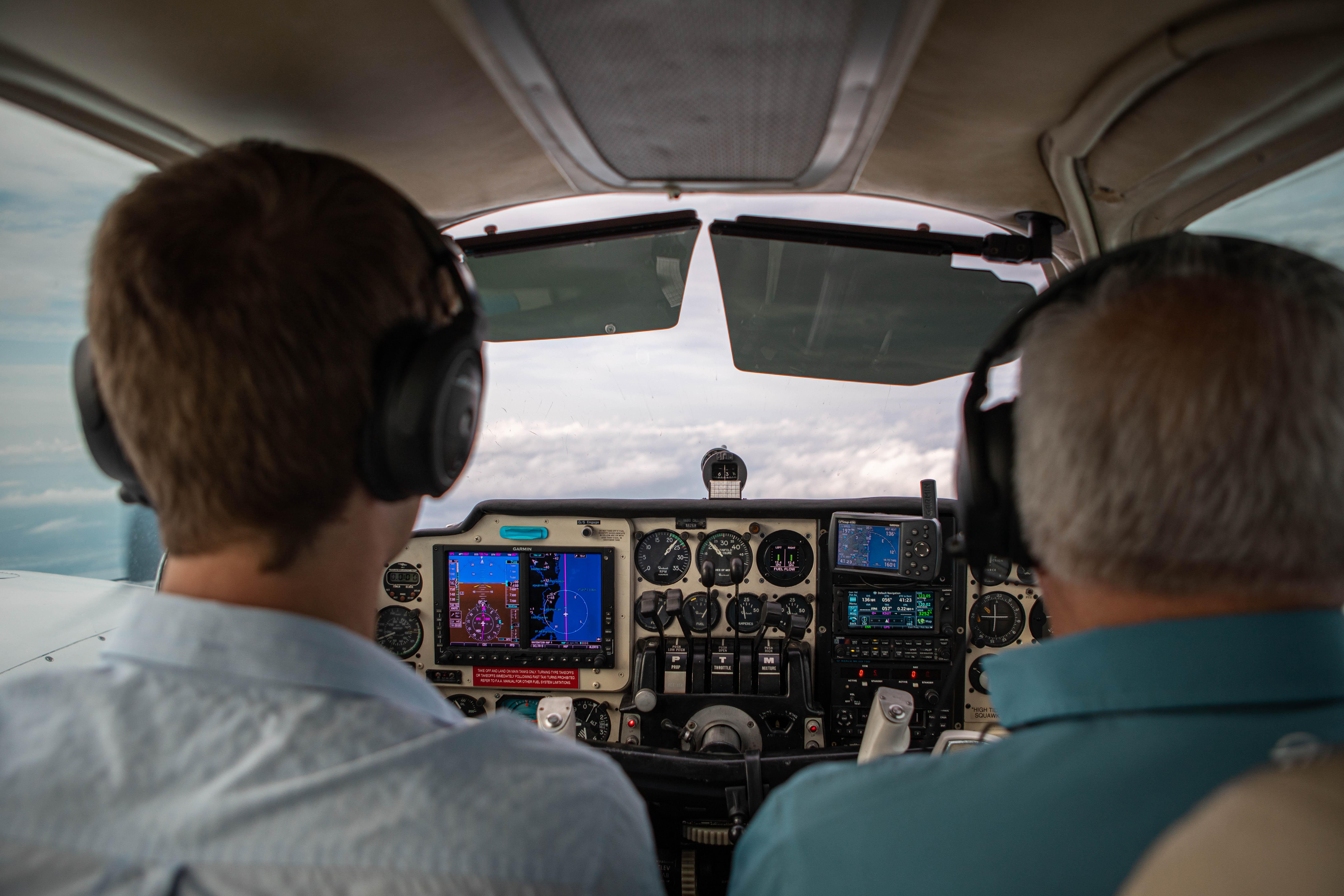
For a future instructor, those details become practical advantages. Modern Garmin-equipped aircraft make it easier to learn how to explain screens, flows, and automation to new students. The Redbird FMX gives you a place to practice procedures efficiently. In-house maintenance helps reduce downtime, which matters when you are trying to stay sharp and keep a training rhythm.
The school’s culture matters too. High Tide emphasizes safety, professionalism, and inclusivity, and it serves students across Southport, Wilmington, and St. Simons Island. If you are building toward your first instructor role, that kind of environment can help you develop the calm, organized teaching style schools want. The decision takeaway is that your first CFI job starts long before your first paycheck. It starts with the training environment that shapes you.
FAQ
-
Are CFI jobs still a good entry point in 2026?
Yes. For many pilots, instructing is still one of the most direct ways to build paid flight time while improving communication, judgment, and cockpit discipline.
-
Do I need to finish commercial training before CFI training?
Yes. The normal path is private pilot, instrument rating, commercial pilot, and then flight instructor training. Building those ratings in order gives you the knowledge base you need to teach safely.
-
Is Part 141 better than Part 61 for future instructors?
It depends on your learning style, but Part 141 can be a strong fit if you want a structured syllabus and the lower FAA minimums available in approved programs. High Tide offers both options.
-
What makes a new CFI more employable in North Carolina?
Schools want instructors who communicate well, stay organized, operate safely, and can teach in real-world conditions. Training in mixed airspace with modern avionics and a reliable schedule helps.
-
Can I start this path if I am still at the private pilot stage?
Yes. If your goal is to reach flight instructor jobs, the right move is to start with a private pilot program that gives you a clean progression into instrument and commercial training.
-
How can I pay for the full training path?
High Tide Aviation offers financing support, accepts 529 plans for vocational flight training, and helps students explore scholarships and North Carolina funding options when they apply.
Start the Instructor Path Today
If your goal is to compete for CFI jobs in North Carolina, start with the training step that opens the rest of the ladder. Review the Private Pilot program and build from there.
- Contact Us
- Schedule Your Discovery Flight
- Follow Us on Social Media: Facebook | Instagram | YouTube