
Instrument Rating Training in North Carolina: The 2026 IFR Guide

Published by:
Jessica Ward
Published on:
Updated on:
Read time:
8 min read
The dream of flight usually starts on a clear, blue-sky day. But for any pilot looking to move beyond the “fair-weather” hobby and into a professional career or serious cross-country travel, the Instrument Rating (IFR) is the most important milestone.
In 2026, the aviation landscape is more advanced than ever. Between shifting weather patterns and the surge in airline hiring, having an Instrument Rating is no longer just an “extra” certificate, it is your shield against downtime and your ticket to the flight deck. If you are researching instrument flight training in North Carolina, this guide will show you why High Tide Aviation is the standard for excellence.
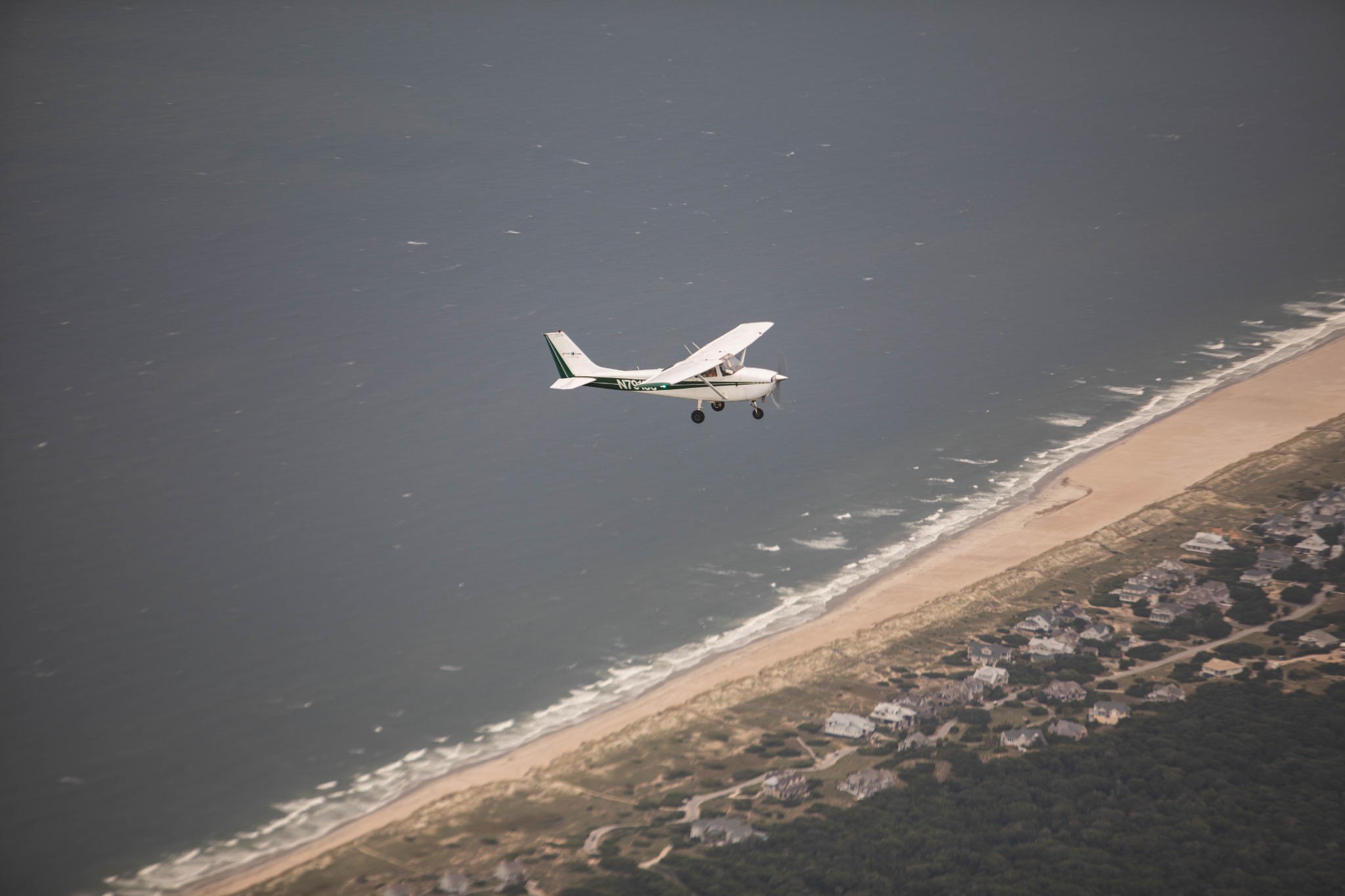
Why the Instrument Rating is a “Safety Shield”
Visual Flight Rules (VFR) are great, but they are limited. In coastal areas like Southport and Wilmington, morning fog and marine layers can ground a VFR pilot for hours. An Instrument Rating allows you to fly safely through clouds, fog, and low visibility by relying entirely on your aircraft’s instruments.
Beyond the regulatory privilege, IFR training sharpens your “stick-and-rudder” skills to a razor’s edge. You learn to trust your instruments over your physical sensations, a mental shift that makes you a fundamentally safer pilot in all conditions.
The High Tide Advantage: Award-Winning Training in 2026
When you choose a flight school for your instrument rating, you aren’t just paying for airplane time; you are investing in a curriculum. High Tide Aviation has been named an AOPA Distinguished Flight School for 2026, an honor voted on by students for our safety, professionalism, and success rates.
Personalized Support Specialists
Unlike “pilot factories” where you are just a tail number, every High Tide student is assigned a Student Support Specialist. This dedicated professional helps you navigate the complexities of IFR training, from scheduling your FAA Written Exam to ensuring you are ready for your checkride.
Advanced Technology: Simulators and Glass Cockpits
Modern IFR flying is about information management. That is why we train our students in Technically Advanced Airplanes (TAA). Our Instrument Rating students use a Cessna 172 fleet equipped with modern avionics that mirror what you will find in corporate jets and airliners.
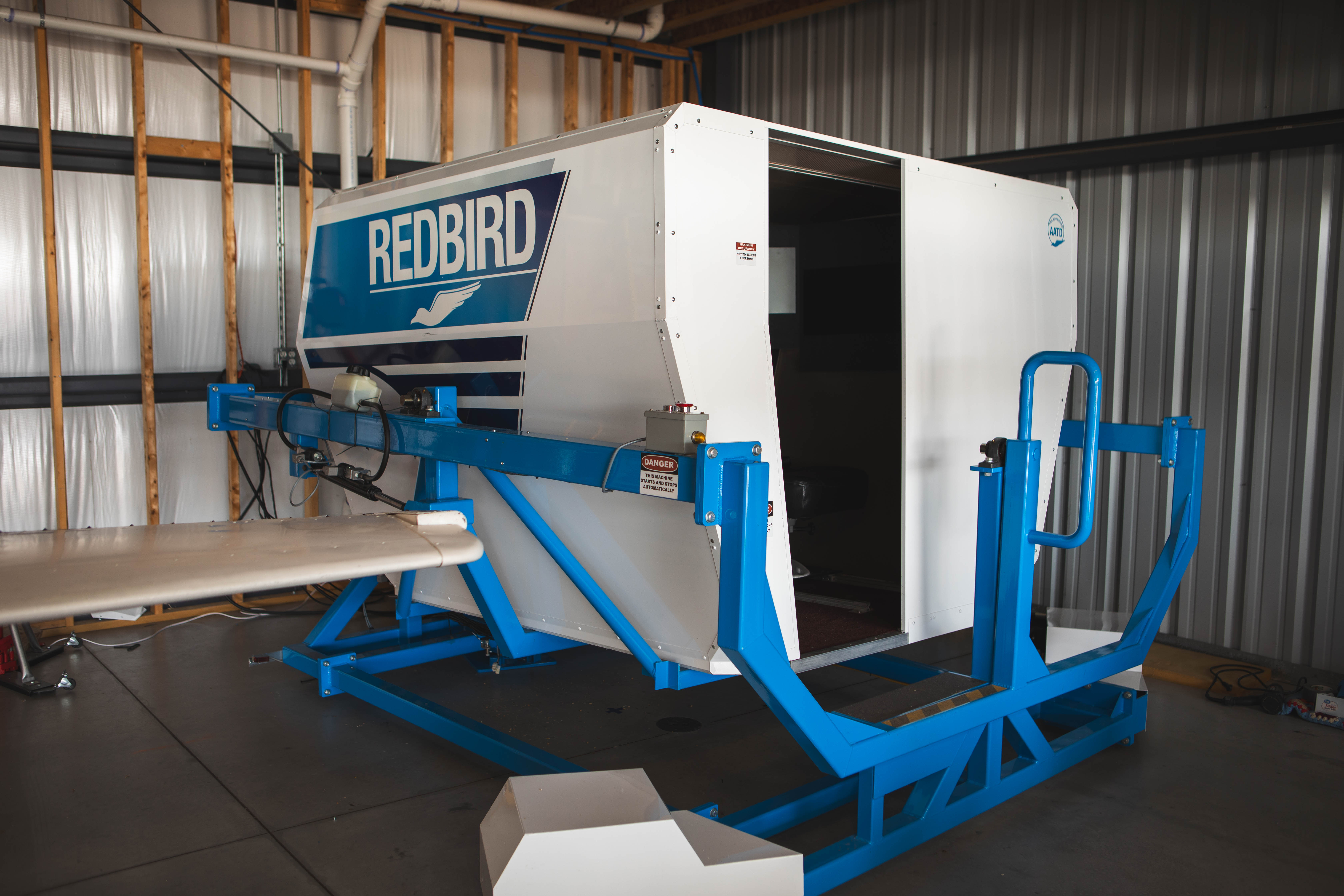
The Redbird FMX Edge
Proficiency comes from repetition. We utilize the Redbird FMX Full-Motion Flight Simulator as a cornerstone of our IFR program. In the simulator, we can pause the flight to discuss a procedure, “fail” an instrument to test your reaction, and fly multiple approaches in a fraction of the time it takes in the air. This not only makes you a better pilot but also helps keep your training costs efficient.
The Path to Your Instrument Rating in NC
Earning your rating requires a combination of ground school, simulated instrument time, and actual flight time. At High Tide Aviation, we offer both Part 61 and FAA Part 141 Certified training paths to match your schedule and goals.
- Prerequisites: You must hold a Private Pilot Certificate and a current FAA medical certificate.
- Aeronautical Experience: FAA minimums require 40 hours of actual or simulated instrument time.
- Cost Efficiency: Our Instrument Rating program is estimated to start at $11,000 for students who already hold a PPL. This includes 40 hours of flight time, ground instruction, and coverage for your written exam and checkride fees.
Note: Total costs and timelines are proficiency-based and may vary depending on student progress and scheduling.
What IFR Training Looks Like Week by Week
IFR training is not just about logging hours. It is a structured progression that rebuilds how you think inside the cockpit.
Ground School comes first. You will study weather theory, navigation systems, approach procedures, and regulations. Knowing the rules of IFR before you ever pull on a fogged-up view-limiting device makes every sim session sharper and every real flight more purposeful.
Simulator Sessions follow. In the Redbird FMX, you and your CFI will fly approach after approach: ILS, RNAV, VOR. Your instructor will fail instruments without warning, put you in simulated IMC with a 200-foot ceiling, and teach you to manage the cockpit under pressure. This repetition builds the kind of reflex and calm that defines a competent IFR pilot.
Actual and Simulated IMC Flights complete the picture. Once your procedures are solid in the sim, you take those skills into the real airplane. You will fly holding patterns, intercept radials, and execute missed approaches in live airspace, with your instructor in the right seat, always ready.
The result is a pilot who does not just pass a checkride. You come out of IFR training with discipline, precision, and a genuine command of the airplane that VFR flying alone cannot give you.
Why the NC Coast Makes Better Instrument Pilots
North Carolina’s coastal environment is one of the most valuable IFR training grounds in the Southeast. The Cape Fear region generates real meteorological variety: morning marine fog rolling in off the Atlantic, afternoon summer thunderstorms requiring smart go/no-go decisions, and the occasional low overcast that makes the difference between a VFR-only pilot stuck on the ground and a rated instrument pilot who departs on schedule.
Flying in this environment, especially at Wilmington’s Class C airspace at ILM, means you regularly communicate with ATC, navigate coastal transition areas, and make real-time weather decisions. These are not simulated conditions. They are the real-world challenges that build real-world competence. By the time you complete your Instrument Rating training at High Tide, you will be better prepared for cross-country IFR operations than students who trained in stable, predictable inland climates.
Financing Your Career
We understand that flight training is a significant investment. High Tide Aviation has partnered with AOPA Flight Training Finance to offer flexible loans that cover aircraft rental, instructor fees, and supplies. We also accept 529 College Savings Plans for those using their education savings to reach the cockpit.
Start Your IFR Journey Today
Don’t let “marginal VFR” days keep you on the ground. Whether you are aiming for the airlines or just want the peace of mind that comes with IFR proficiency, High Tide Aviation is ready to help you earn your wings, and your needles.
Join the High Tide family in Southport or Wilmington and experience the difference that personalized, award-winning training makes.
Ready to see the sky differently? Book an IFR Orientation Session or contact a Student Support Specialist today to build your custom training plan.


