
Sport Pilot Certificate on the NC and GA Coasts: 2026 Guide

Published by:
Jessica Ward
Published on:
Updated on:
Read time:
7 min read
If you want to fly for fun, the first step can feel bigger than it needs to be.
Maybe you have searched for a sport pilot license near me because you want the cockpit experience without starting with a full Private Pilot path. Maybe the FAA medical process feels like the part that could slow you down. Or maybe you want a clear cost estimate before you say yes to flight training.
That is exactly where the Sport Pilot certificate can make sense.
At High Tide Aviation, we train Sport Pilot students in Southport, NC, Wilmington, NC, and St. Simons Island, GA. The FAA calls it a Sport Pilot certificate, though many students search for it as a sport pilot license. The goal is simple: give you a more direct path into recreational flying while still building real skill, judgment, and confidence with an instructor beside you.
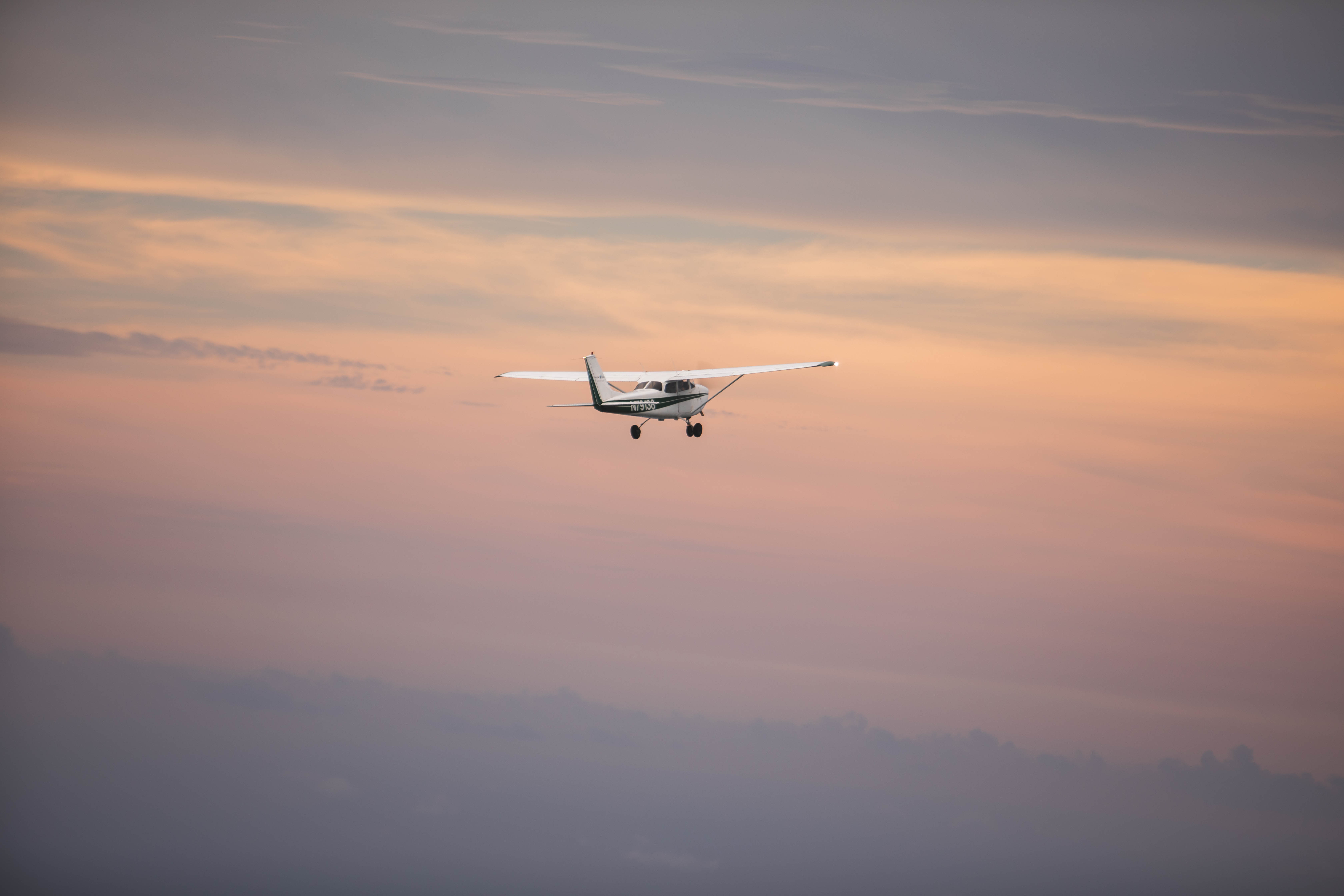
Start Flying Without The Usual Third-Class Medical Step
For many new pilots, the biggest relief is this: you may be able to use a current, valid U.S. driver’s license instead of a third-class FAA medical certificate when exercising Sport Pilot privileges.
That does not mean medical fitness stops mattering. It means the path can be simpler for students who meet the FAA’s driver’s-license conditions. If you have had an FAA medical denied, suspended, revoked, or withdrawn, or if you know of a condition that could affect safe flying, review FAA guidance and speak with an Aviation Medical Examiner before relying on the driver’s-license route.
For the right student, this removes a major early friction point. You can focus on your first training step instead of starting with medical appointments and paperwork.
If you are still comparing certificates, our guide to student pilot and FAA medical certificates explains how medical requirements can change based on your training goal.
Know The Real Cost Before You Step Into The Cockpit
Cost matters because vague numbers make it hard to commit. Our current Sport Pilot training estimate is $6,505.
That estimate is based on a 32-hour training plan, not just the FAA minimum. For airplane single-engine land privileges, the FAA minimum is 20 hours, including required dual instruction, solo time, cross-country work, and checkride preparation. We plan around more time because the goal is not to touch the minimum. The goal is to build the proficiency you need for the practical test and for safe flying after certification.
Here is the current cost structure:
| Item | Current High Tide Estimate |
|---|---|
| Sport Pilot Certificate training plan | $6,505 estimated total |
| Training basis | 32-hour plan |
| FAA minimum for airplane single-engine land | 20 hours |
| FAA knowledge test | Listed separately at about $175 |
| Examiner fee | Listed separately at about $600-$900 |
Training costs can still vary by student pace, weather, schedule, proficiency, and testing needs. But a structured estimate gives you a better starting point than an open-ended guess. If financing is part of your plan, flight training financing options may be available to qualified applicants.
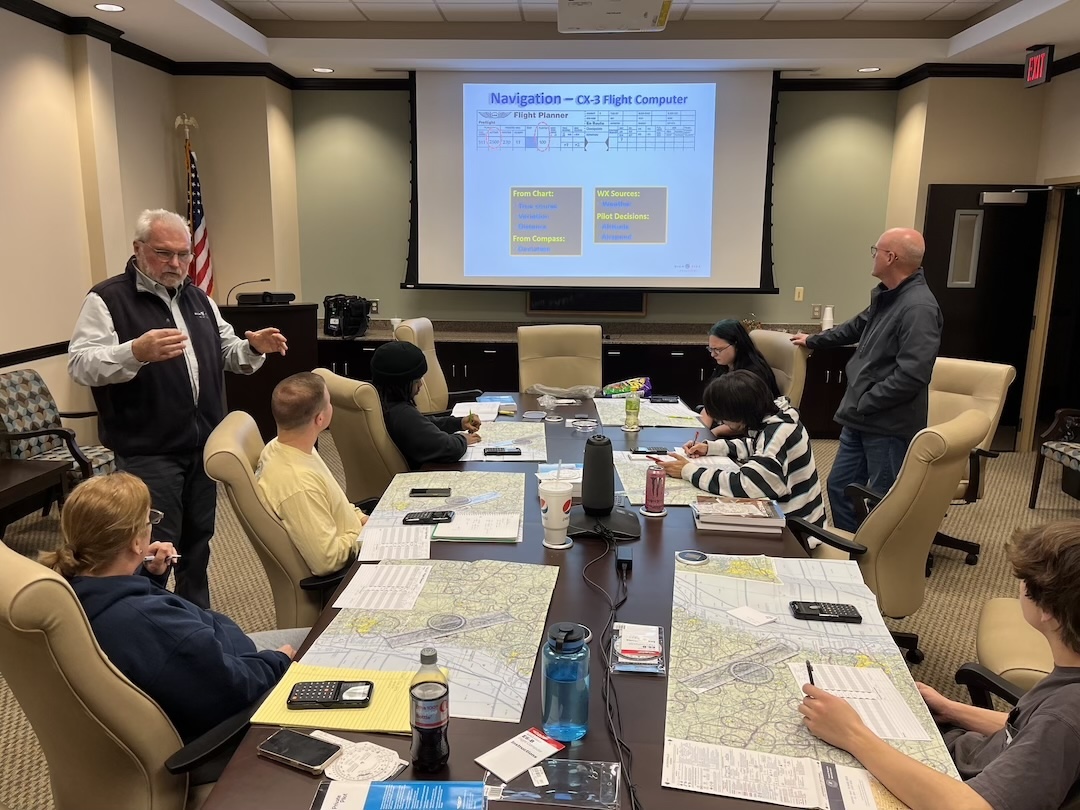
Train Through Five Clear Phases Instead Of Guessing What Comes Next
A good Sport Pilot plan should feel clear. You should know what you are learning, why it matters, and how it moves you toward the checkride.
Our Sport Pilot certificate program is organized into five phases:
| Phase | What You Build | Why It Matters |
|---|---|---|
| Phase 1: Foundations and Airmanship | Basic aircraft control, cockpit flow, and training habits | You start with the skills that make every later lesson easier. |
| Phase 2: Maneuvers and Emergency Training | Normal maneuvers, emergency procedures, and decision-making | You learn how to stay calm, think clearly, and fly the airplane. |
| Phase 3: Solo Prep and First Solo | Takeoffs, landings, traffic pattern work, and solo readiness | You prepare for the first major confidence milestone. |
| Phase 4: Cross Country Requirements | Planning, navigation, and required cross-country experience | You learn how to fly beyond the local pattern with structure. |
| Phase 5: Checkride Prep | Practical test review and final proficiency work | You close gaps before the examiner sees them. |
This structure helps you avoid the feeling of random lessons. You are not just renting an airplane and hoping the hours add up. You are moving through a plan.
If you want a wider view of training pace, our article on how long it takes to learn to fly explains why frequency, preparation, and consistency can matter as much as the minimum hour number.
Choose Sport Pilot When Your Mission Is Recreational Flying
Sport Pilot is a strong fit when your goal is personal, recreational flying. You may want to fly along the coast, enjoy weekend aviation, or prove to yourself that flying can become part of your life before you commit to a larger certificate path.
It is not the right fit for every mission. If you already know you want broader privileges, more passenger flexibility, or a direct career-track pathway, the Private Pilot Certificate may be the better first target.
The key is matching the certificate to your real goal. If your goal is simple, local, personal flying, Sport Pilot can keep your first step focused. If your goal grows later, your logged training can support the next path instead of becoming wasted effort.
That matters because good training should preserve options. Sport Pilot can get you started with a lighter mission, then leave room to continue toward Private Pilot if you later want to fly at night, expand your privileges, or carry more passengers under a different certificate.
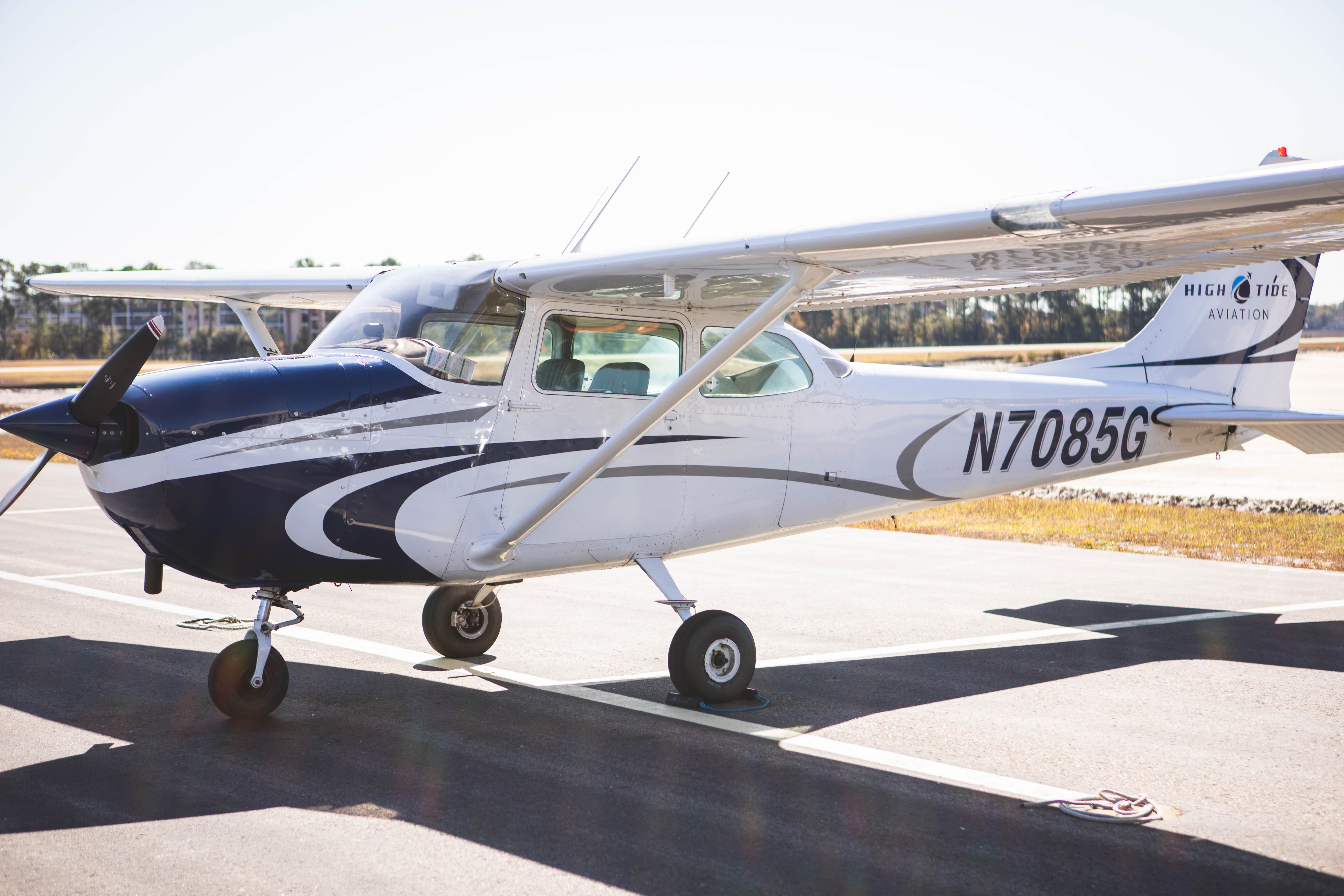
Learn Near The Coast With Real-World Training Context
Training near the coast gives you more than a pretty view. It gives you changing weather, coastal landmarks, towered and non-towered airport context across our locations, and real decisions to discuss with your instructor.
High Tide Aviation serves students from Southport, Wilmington, and St. Simons Island, with a fleet and support system built around training. Our broader operation includes in-house maintenance and a Student Support Department, so you are not left to figure out each step alone.
When you are new, your early training should reduce confusion, not add to it. From your first conversation through enrollment, our goal is to help you understand what the certificate allows, what it does not allow, what it may cost, and what step comes next.
You can also compare aircraft and future rental options through our fleet and rentals information as you think about where Sport Pilot may fit into your long-term flying goals.
Your Next Step Is Simple
If you want a shorter, clearer start to recreational flying, the Sport Pilot certificate deserves a serious look.
You get a path built around a current $6,505 estimated total, a 32-hour training plan, simplified medical eligibility for many students, and a future path that can still point toward Private Pilot training later.
The best next step is to get in the airplane or start the enrollment conversation.
Schedule your Discovery Flight if you want to experience the cockpit first, or enroll in Sport Pilot training if you are ready to begin.
Sport Pilot Certificate FAQs
Is it called a Sport Pilot license or certificate?
The FAA term is Sport Pilot certificate. Many people search for “sport pilot license” because that is the everyday word, but certificate is the accurate term. You can start with our Sport Pilot program page if you want the training details.
Do I need an FAA medical for Sport Pilot?
Many Sport Pilot students can use a current, valid U.S. driver’s license instead of a third-class medical certificate. FAA restrictions apply, especially if you have had a prior FAA medical denial, suspension, revocation, or withdrawn authorization. Our medical certificate guide can help you understand how the medical question changes by certificate.
How much does Sport Pilot training cost at High Tide Aviation?
Our current Sport Pilot estimate is $6,505, based on a 32-hour training plan. The FAA knowledge test and examiner fee are listed separately. You can review the current program details on the Sport Pilot training page and explore financing options if you want to plan payment before starting.
Can Sport Pilot training count toward Private Pilot later?
Yes, your logged Sport Pilot airplane training can support a later Private Pilot Certificate path. Your instructor can help you understand how your hours and skills apply when you are ready to expand your privileges.


