
Discovery Flight vs. Sport vs. Private Pilot: Start Here

Published by:
Jessica Ward
Published on:
Updated on:
Read time:
9 min read
Three people can arrive at the same airport with three different goals. One wants to know whether flying feels right. Another wants focused recreational flying. The third wants a broader foundation for personal travel or future ratings. Discovery Flight, Sport Pilot, and Private Pilot are different starting points because they solve different decisions.
Choose a discovery flight when you want one instructor-guided first experience. Consider the Sport Pilot certificate when your mission is focused recreational flying under its specific privileges and limitations. Choose the Private Pilot certificate when you want a broader personal-flying foundation and room to add ratings later.
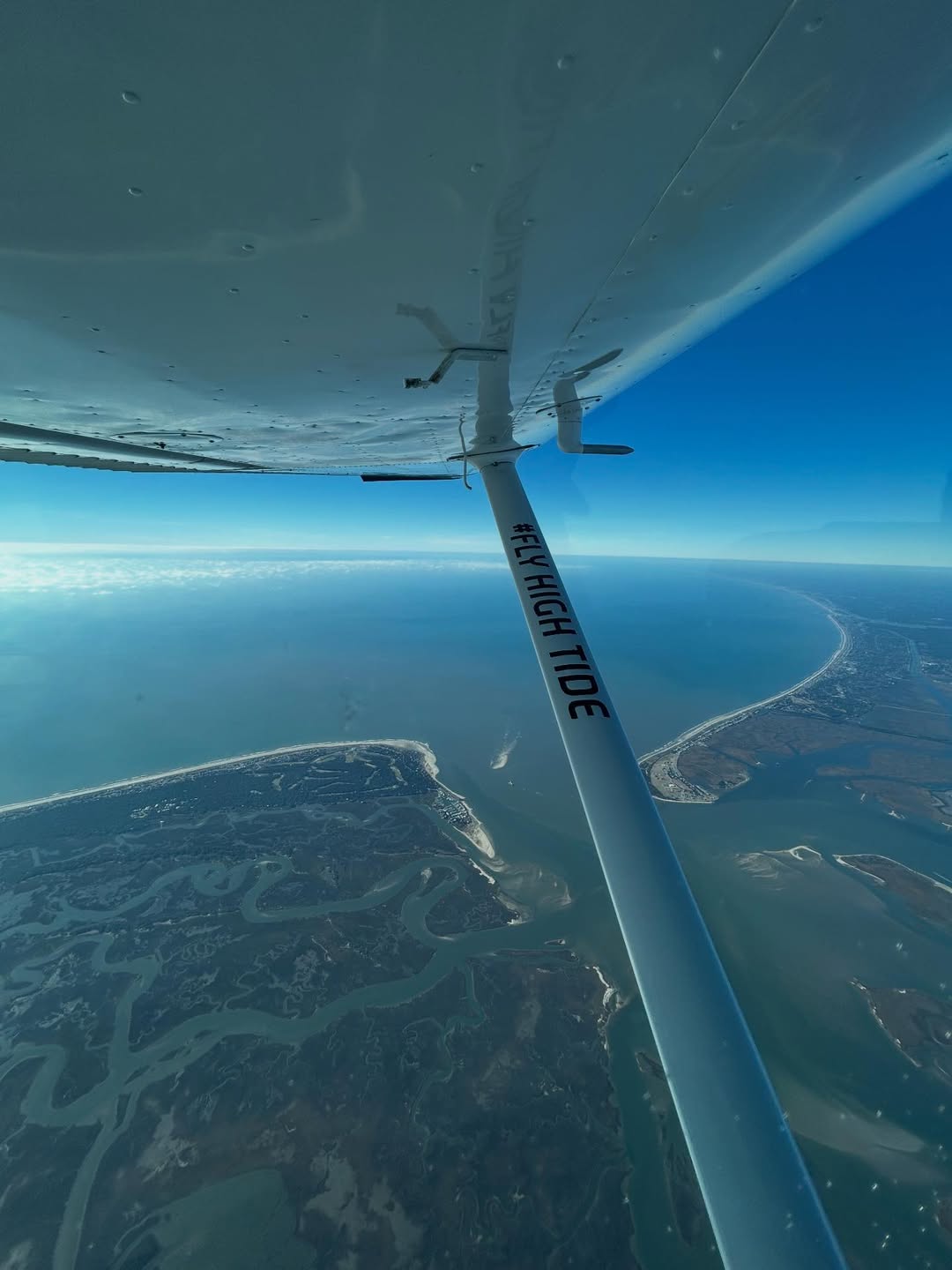
Start with the decision you need to make now
The easiest way to compare these options is to ask, “What do I want from my next step?” A discovery flight answers an experience question. Sport Pilot and Private Pilot are certificate goals that require training, knowledge, proficiency, and a practical test.
| Starting point | Best fit when your next goal is… | Commitment | What we help you clarify |
|---|---|---|---|
| Discovery Flight | Experiencing an instructor-led lesson before enrolling | One introductory visit | Comfort in the cockpit, instructor fit, location, and interest in continued training |
| Sport Pilot Certificate | Pursuing a focused recreational mission within Sport Pilot privileges and limitations | A certificate training program | Current aircraft eligibility, medical path, training plan, and the flying you want to do |
| Private Pilot Certificate | Building a broader foundation for personal flying and possible future ratings | A certificate training program | Medical planning, training frequency, total-cost assumptions, and long-term goals |
If you cannot yet describe the flying you want, begin with the discovery flight experience. You will have a more useful comparison after you have sat at the controls and talked with an instructor.
A discovery flight gives you evidence before commitment
A discovery flight is the lowest-commitment entry point in this comparison. It is an introductory lesson, not a certificate. You can take it without holding a student pilot certificate or FAA medical certificate, although those items become relevant later if you continue toward solo under an applicable training path.
This option fits you when the biggest unanswered question is emotional or practical: Do I enjoy the cockpit environment? Can I follow instruction while taking in unfamiliar sights and sounds? Does this school feel like a place where I can learn? Our Career Discovery Flights are offered in Southport, St. Simons Island, and Wilmington.
After the flight, you may feel ready for a certificate goal or realize you need more information about schedule and cost. Both outcomes are useful. You have replaced imagination with firsthand experience, which makes the next conversation more concrete.
Sport Pilot works best when your mission is focused
The Sport Pilot certificate can fit someone whose goal centers on recreational flying within defined Sport Pilot privileges and limitations. The FAA changed the Sport Pilot framework through MOSAIC, with key regulatory changes effective October 22, 2025. Old summaries that reduce Sport Pilot to one narrow aircraft label may now be incomplete.
Aircraft eligibility, operating privileges, endorsements, and medical qualification depend on the current rules and your circumstances. Some eligible pilots can use a current, valid U.S. driver’s license for Sport Pilot medical qualification, but conditions and restrictions apply. Review the current FAA Sport Pilot guidance and discuss personal medical questions with an Aviation Medical Examiner before relying on that route.
Choose Sport Pilot training when you can describe a focused recreational mission and the program’s aircraft, location, and operating scope support it. The strongest reason to choose it is mission fit, not a blanket claim that it will always be faster, cheaper, or easier.

Private Pilot creates a broader starting foundation
The Private Pilot certificate is usually the better starting goal when you want broader personal-flying privileges or expect to add an instrument rating and other advanced credentials later. The privileges are still subject to aircraft ratings, endorsements, operating rules, currency, and medical qualification, so “private” does not mean unrestricted.
Many career-track airplane students also begin with Private Pilot training because it forms a common first certificate in a longer sequence. A career outcome takes much more than one certificate, and no training path guarantees a job. Use the first certificate to build skill and judgment while keeping the next goal visible.
Private Pilot also makes sense when you already know that Sport Pilot’s operating scope does not match the passengers, aircraft, conditions, or future training you want. Our pilot training programs can help you see how Private Pilot connects to instrument, commercial, multi-engine, and instructor options without forcing you to decide the entire sequence today.
Cost follows the plan, not the label alone
It is tempting to compare only the number beside each program. A useful estimate needs to show what is included, what is excluded, and which assumptions shape the total. Aircraft and instructor time, training frequency, ground study, tests, examiner fees, supplies, proficiency, weather, maintenance, and scheduling can all affect total cost.
Sport Pilot may use a more focused training plan, but that does not make one universal cost claim safe. Private Pilot estimates can also change when a student needs more time than a published training basis. Review training costs and ask for a written estimate tied to your location and goal.
If you plan to finance training, compare the amount borrowed, fees, repayment timing, and which costs the funding covers. We provide flight training financing resources, and options may be available to qualified applicants under each provider’s current terms. Financing can change cash flow, but it does not reduce the importance of a sustainable lesson schedule and a complete cost estimate.
Medical planning should happen before a large commitment
You can take an introductory lesson before holding a medical certificate. If you plan to continue, address medical eligibility early, especially before investing heavily or preparing for solo. The right requirement depends on the certificate and privileges you intend to exercise.
Most airplane students pursuing Private Pilot should plan around the applicable FAA medical or recognized alternative before solo. Sport Pilot has a different medical qualification framework, including a driver’s-license route for some eligible people, with important conditions. Our student pilot medical guide can help you learn the terms, while an Aviation Medical Examiner can address your individual history.
Avoid choosing a certificate solely to work around an unresolved medical concern. A certificate should match your flying mission, and personal medical questions deserve current, qualified guidance.
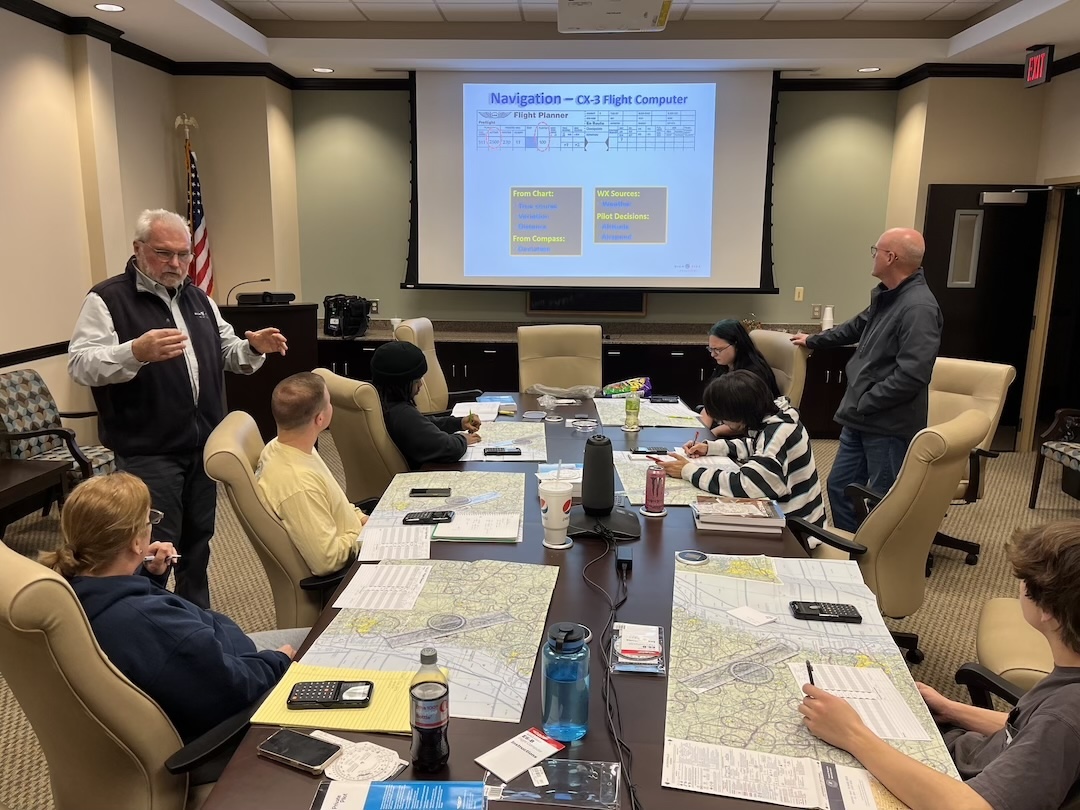
Use this three-question test before you enroll
First, ask what kind of flying you want to do after training. If the honest answer is “I do not know yet,” book a discovery flight. If your answer is focused recreational flying, compare the Sport Pilot scope. If you want broader personal flying or a common base for advanced ratings, compare Private Pilot.
Second, ask what you can sustain each week. A program must fit your work, family, study time, travel to the airport, and budget. Our first-time pilot resources help you prepare for that conversation before enrollment.
Third, ask which uncertainty could become expensive later. It may be medical eligibility, aircraft availability, the difference between an estimate and a complete budget, or a mismatch between your certificate and intended flying. Bring that issue to our Student Support team first, then build the plan around the answer.
Frequently asked starting-point questions
Is a discovery flight required before training?
No. A discovery flight is an experience-first option, not a universal FAA requirement for beginning lessons. It is valuable when you want to evaluate the cockpit, instructor, and school before enrolling. You can book a Career Discovery Flight or move directly into a program conversation if your goal is already clear.
Can a discovery flight count toward a certificate?
Whether a particular flight can be recorded as training depends on the instructor, aircraft, lesson, and required records. Use the post-flight debrief to discuss how the experience fits your training plan instead of assuming credit in advance.
Is Sport Pilot always faster or less expensive than Private Pilot?
No universal comparison works for every student. Training time and total cost depend on the program, aircraft, proficiency, schedule, and included expenses.
Can I use a driver’s license instead of an FAA medical for Sport Pilot?
Some eligible people can use a current, valid U.S. driver’s license for Sport Pilot medical qualification, but restrictions and medical-history conditions apply. Review current FAA guidance and speak with an Aviation Medical Examiner about your circumstances. Our medical certificate guide is a starting point, not personal medical advice.
Is Private Pilot only for people who want an aviation career?
No. Private Pilot is a common goal for people who want broader personal-flying privileges, and it can also serve as the first certificate in a longer career-track sequence. Explore our Private Pilot program based on the flying you want, not a job title alone.
Can I switch paths later?
Yes. Your future options depend on the training completed, records, aircraft category and class, and the certificate path you choose. A clear plan at the start can reduce duplicated effort, but your goals can evolve. Contact our team through the enrollment form to discuss your current experience and next goal.
Choose the first step that answers your biggest question
If you still need to know how flying feels, begin with the experience. If you know the mission, compare the certificate scope, medical path, aircraft, schedule, and complete cost estimate. The right start is the one that answers today’s question while keeping tomorrow’s goal in view.
Book a High Tide Aviation Career Discovery Flight and turn the comparison into a firsthand decision.


