
Part 61 vs Part 141: Choosing a Training Path for Your Schedule

Published by:
Jessica Ward
Published on:
Updated on:
Read time:
6 min read
Two students start private pilot training on the same Monday. One can fly three mornings a week, every week. The other works rotating shifts and can only book lessons when the schedule allows. Both want the same certificate, and the training path that fits each of them may be different.
That is the real question behind Part 61 vs Part 141. Here at High Tide Aviation, we train under both Part 61 and Part 141, so we help students choose based on their week, their goals, and their funding. This guide gives you the plain-English differences and the questions that decide which one fits you.
What Part 61 and Part 141 Actually Mean
Both are sections of the FAA regulations, and both lead to the same pilot certificates and ratings. The difference is how the training is organized.
- Part 61 sets the experience and knowledge requirements for the certificate. Training can follow the order that makes sense for you and your instructor, which is why it can offer more scheduling flexibility.
- Part 141 applies to schools with an FAA-approved training course. You follow an approved syllabus with stage checks that confirm you are ready before moving to the next phase.
Our Part 141 certification announcement explains what that approval means for our students, and our private pilot FAQs cover the questions we hear most.

How the Hour Minimums Compare
The numbers are where many students start. For a private pilot airplane certificate, Part 61 sets a 40-hour minimum, including at least 20 hours of instruction and 10 hours of solo flight. An approved Part 141 private pilot course sets a 35-hour flight-training minimum.
| Certificate | Part 61 | Part 141 |
|---|---|---|
| Private Pilot | 40 hours minimum (20 dual, 10 solo) | 35 hours of flight training in an approved course |
| Commercial Pilot | 250 hours total time | Course minimums structured differently within an approved syllabus |
Keep one thing in mind: minimums are floors. Most students need more than the minimum on either path, and your actual hours depend on how consistently you fly, the weather, and your proficiency. Our guide to how long it takes to learn to fly goes deeper on timelines.
Why Your Calendar Usually Decides
Lower minimums sound like the whole story, but the calendar, not the regulation, usually decides your finish date. A student flying three times a week retains more between lessons and spends less time reviewing. A student flying once every two weeks often repeats ground covered earlier.
That is why the schedule question comes first:
- If your availability shifts week to week, Part 61 can be the easier fit, because training can adapt to the order and pace your life allows.
- If you can commit to a steady routine, Part 141’s structured syllabus and stage checks give you clear milestones and a defined plan.
- If you are aiming for a professional career, a structured path can keep you moving toward the commercial certificate and beyond.
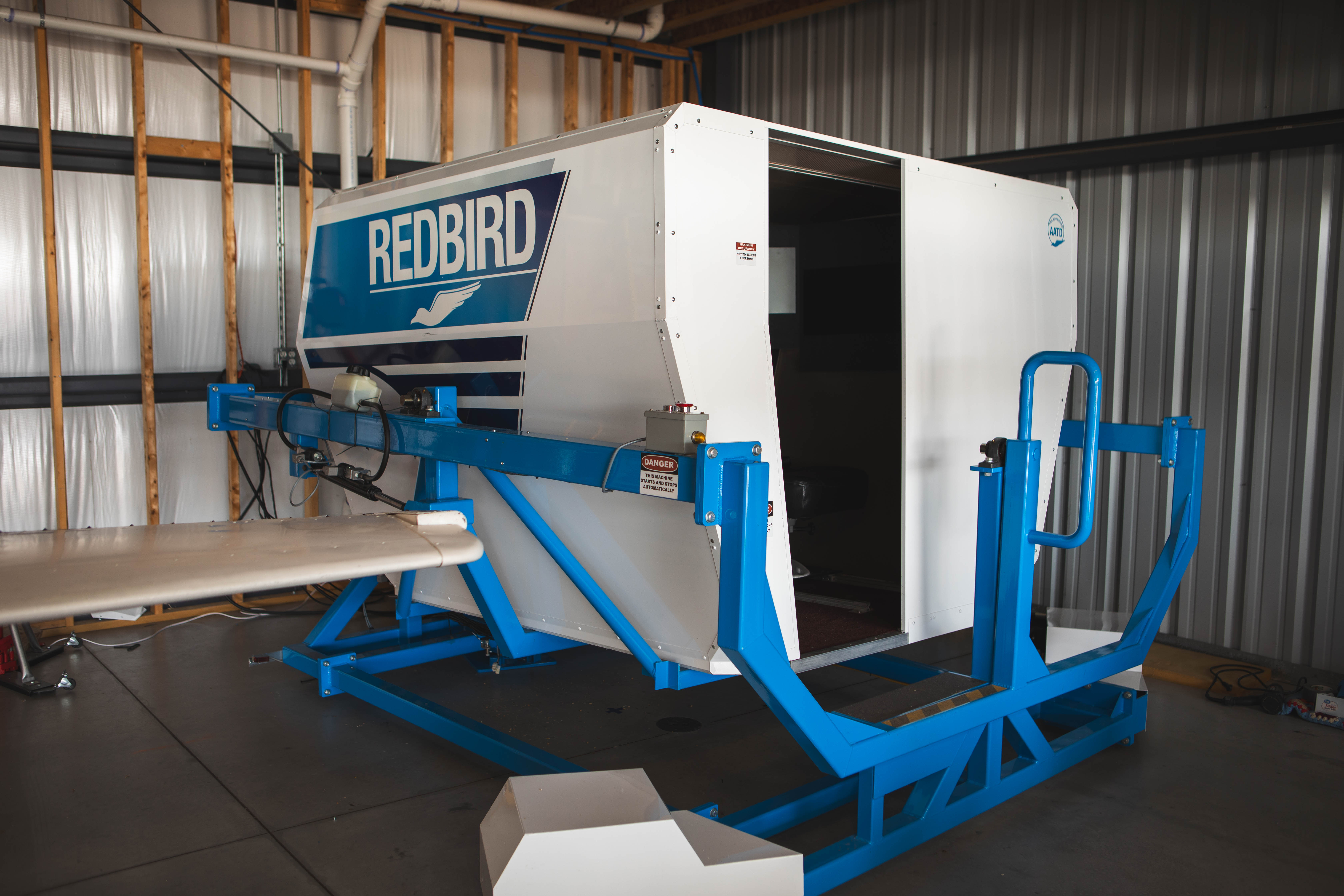
Our Redbird simulator and ground school options help keep your skills fresh when the weather or your schedule gets in the way.
Match Your Funding to the Path
Money shapes the decision too. Some funding programs look at how a course is structured, so we help you match your funding to the path during planning. Our financing page covers resources such as AOPA Flight Training Finance, NC-TAP, and 529 education savings plans.
For a clearer picture of the numbers, see our pricing page and our breakdown of the price of flight training at High Tide Aviation.
Three Questions That Point You to the Right Path
Before your first lesson, answer these honestly:
- How many days a week can you reliably fly? Steady availability favors structure. Shifting availability favors flexibility.
- Where do you want the certificate to take you? Flying for fun and flying for a career can call for different plans. Our Zero to Hero program maps the full career sequence.
- How will you fund training? Know your options early so the path and the funding line up.
Bring your answers to a school tour and we will walk through which of our courses fits, since not every program runs the same way.
Frequently Asked Questions
Is Part 141 always faster or cheaper?
No. Lower minimums can help, but your actual hours depend on consistency, weather, and proficiency. A well-scheduled Part 61 student can finish efficiently too.
Do both paths lead to the same certificate?
Yes. Part 61 and Part 141 students earn the same FAA pilot certificates. See our private pilot program for details.
Can I switch paths later?
Your situation and training records matter here. Contact us through our contact page and we will review your options.
Plan Your Path With Our Team
You do not have to decide alone. We train under both Part 61 and Part 141, and our team will help you match the path to your schedule, your goals, and your budget before you commit.


