
Multi-Engine Rating Guide 2026: When to Add a Twin Rating

Published by:
High Tide Team
Published on:
Updated on:
Read time:
7 min read
You are cruising in a single-engine airplane, comfortable with every sound it makes. Then you picture a second engine on the wing, a second throttle, and a lesson where the instructor pulls one power lever back on purpose. If you are wondering what a multi-engine rating is and when it makes sense to add one, this guide is for you.
A multi-engine rating is a class rating that you add to a pilot certificate you already hold. It lets you act as pilot in command of an airplane with more than one engine. Here at High Tide Aviation, we train you for it in our Beechcraft Baron B55, and this guide helps you decide the timing, the cost, and the next step.
What a multi-engine rating adds to your pilot certificate
Your pilot certificate is your credential. A rating is an extra authorization on it. When you earn your multi-engine rating, your certificate says you can fly airplanes with more than one engine, in addition to the single-engine airplanes you already fly. Pilots often call it a twin rating.
To start, you need at least a private pilot certificate and a valid FAA medical certificate. If you are still working toward the certificate, our private pilot program is the place to begin. Our guide to student pilot medical certificates explains the medical side.
One detail surprises people. There is no written knowledge test for this rating. You finish with an oral exam and a practical test, which pilots call the checkride. That means your ground preparation happens in briefings with your instructor and in your own study of the airplane.
What changes in the cockpit when you have two engines
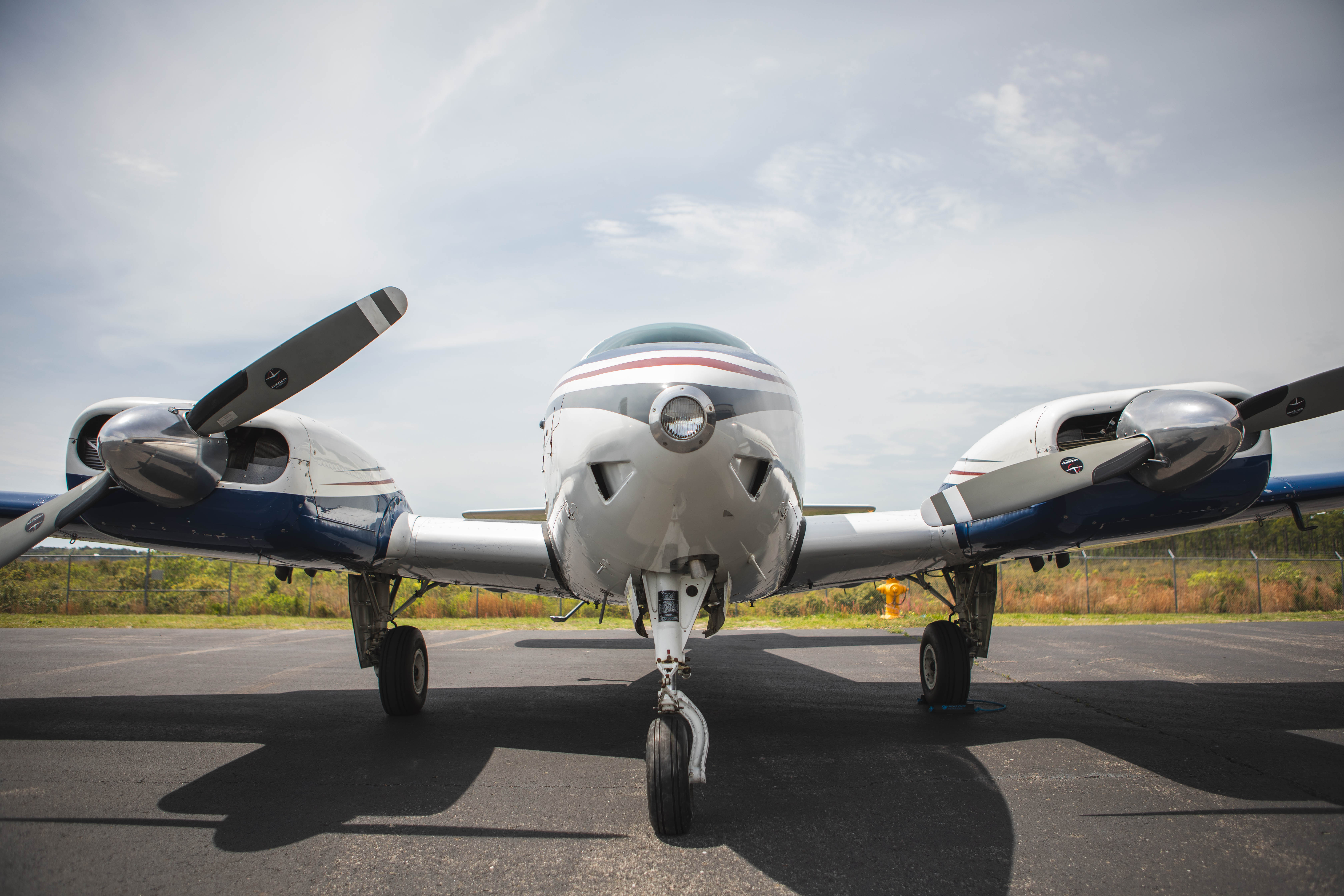
A twin has more power, more systems, and more speed. It also has one lesson that single-engine pilots never practice: what happens when one engine quits. With only one engine making power, the airplane yaws toward the dead side. You counter that yaw with rudder, then work through your checklist and your performance numbers.
That sequence is the heart of the course. The FAA’s Airplane Flying Handbook covers multiengine flying in detail, and we build our briefings around the same ideas. Repeating the drill with an instructor beside you turns a scary moment into a calm, practiced response.
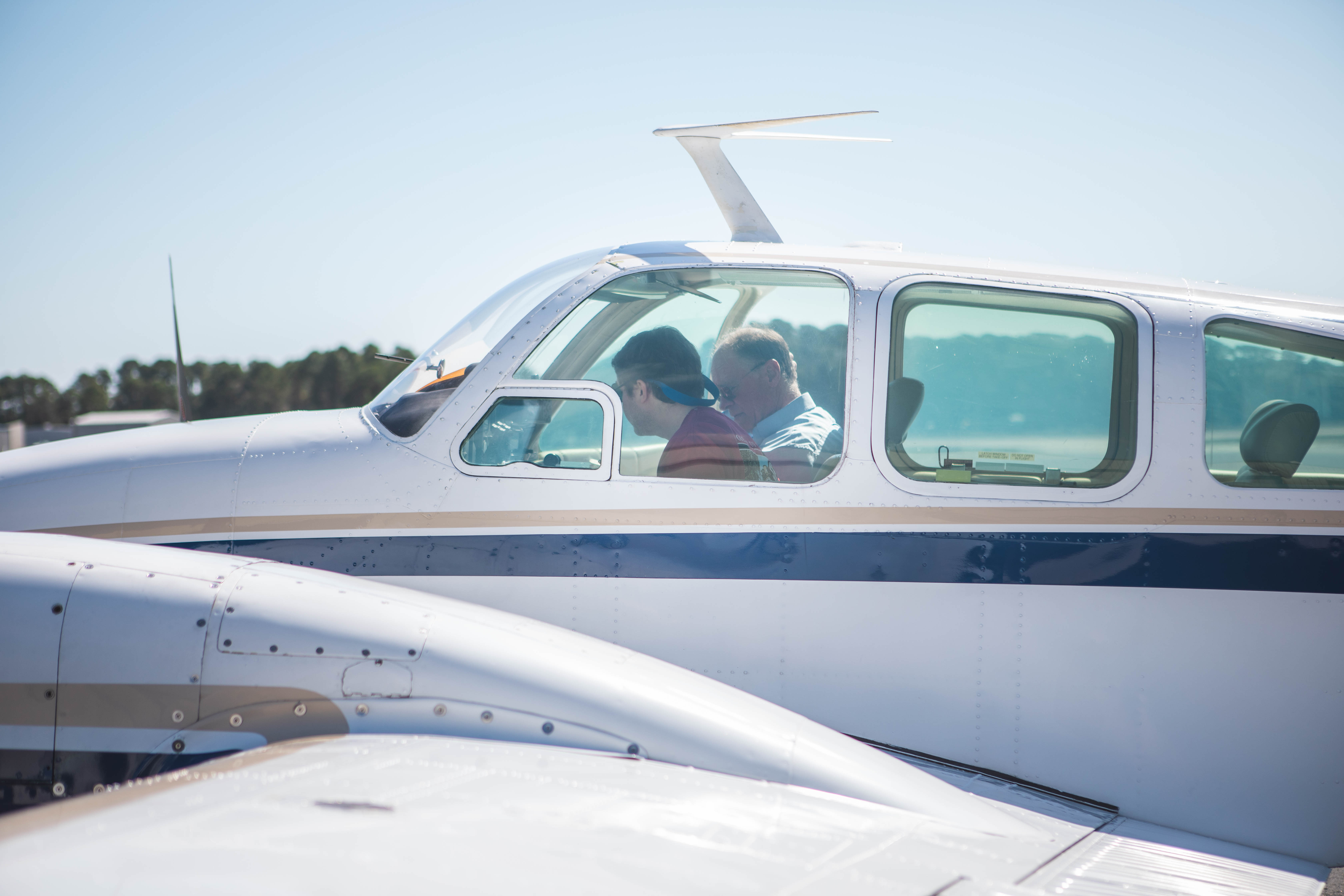
You will also practice normal operations with the extra workload: preflighting two engines, taxiing and running up a heavier airplane, and flying stabilized approaches at higher speeds. If you want the lesson-by-lesson view, read what to expect from multi-engine rating training in the Baron B55.
When to add a multi-engine rating to your training
There is no single right moment. The best time is when the rating supports your next step. Here is how most pilots think about it.
| Where you are now | A good time to add the rating | Next step |
|---|---|---|
| New private pilot who loves to travel | Once you are comfortable flying cross-country on your own | Private pilot program |
| Instrument student | After or alongside your instrument work, when you want twin IFR experience | Instrument rating program |
| Career pilot working toward commercial | During your commercial path, so the rating is ready when you are | Commercial pilot program |
| Future instructor | Before you pursue instructor credentials in twins | Flight instructor program |
If you already hold an instrument rating, your instructor will go over how it applies in the twin. A steady, current single-engine foundation makes the transition smoother, so do not rush in if your basic skills feel rusty. Our returning pilot planning guide can help you shake the dust off first.
What a multi-engine rating can open up next
The rating widens the list of airplanes you are qualified to fly. For a hobby pilot, that can mean faster trips and more capable airplanes. For a career pilot, it is a normal step on the way to flying professionally, because many commercial airplanes have more than one engine. No rating guarantees a job, but it keeps more doors open.
Many pilots add the rating on the way to a commercial pilot certificate. Pilots who want to teach can later pursue the multi-engine instructor credential, which our CFI, CFII, and MEI path explains step by step. If you are planning the full journey, our Zero to Hero program maps everything from private through CFI, CFII, and MEI.
Multi-engine rating cost and how long it takes
Our multi-engine rating starts at $8,000. Dual instruction in the Baron is $650 per hour wet, which means fuel is included in that hourly rate. We base completion on proficiency, not an hourly minimum, so you move to the checkride when you are ready.
| What to know | Our numbers |
|---|---|
| Starting price | $8,000 |
| Dual instruction in the Baron | $650 per hour wet |
| Average flight training time | 10 to 12 hours |
| Fast finishers | Some students finish in 5 to 6 hours |
| Format | Built for one to two weeks |
Your own total depends on your experience, how consistently you fly during the program, and weather. A tight one-to-two-week block helps because back-to-back lessons build on each other and the skills stay fresh.
If you already hold a commercial certificate, our multi-engine rating package bundles 8 hours of flight instruction, unlimited ground instruction, and onsite housing for $5,500. Contact us to confirm current availability. Compare every program on our pricing page.
Financing can spread the cost. Our financing options include AOPA Flight Training Finance and other partners, and we accept 529 plans for eligible flight training.
Why we train multi-engine students in a real Baron
We train you in the Beechcraft Baron B55 with a G500 glass panel, a real working twin. You learn engine management, performance planning, and modern displays in one airplane. Our story on why we train in the Beechcraft B55 Baron explains the choice.
Our in-house maintenance team keeps the airplane ready, which means fewer lessons lost to waiting. Coastal weather also helps a short, intensive course stay on schedule. You can train at Southport, St. Simons Island, or Wilmington, and each base gives you a different kind of flying. You can see the twins on our fleet and rentals page.
How to prepare before your first twin lesson
A little preparation makes the first hours count. Read the airplane’s systems before you arrive, so the briefing builds on something you already know. Review your single-engine basics, including crosswind landings and stabilized approaches. Plan your schedule so you can fly on consecutive days.
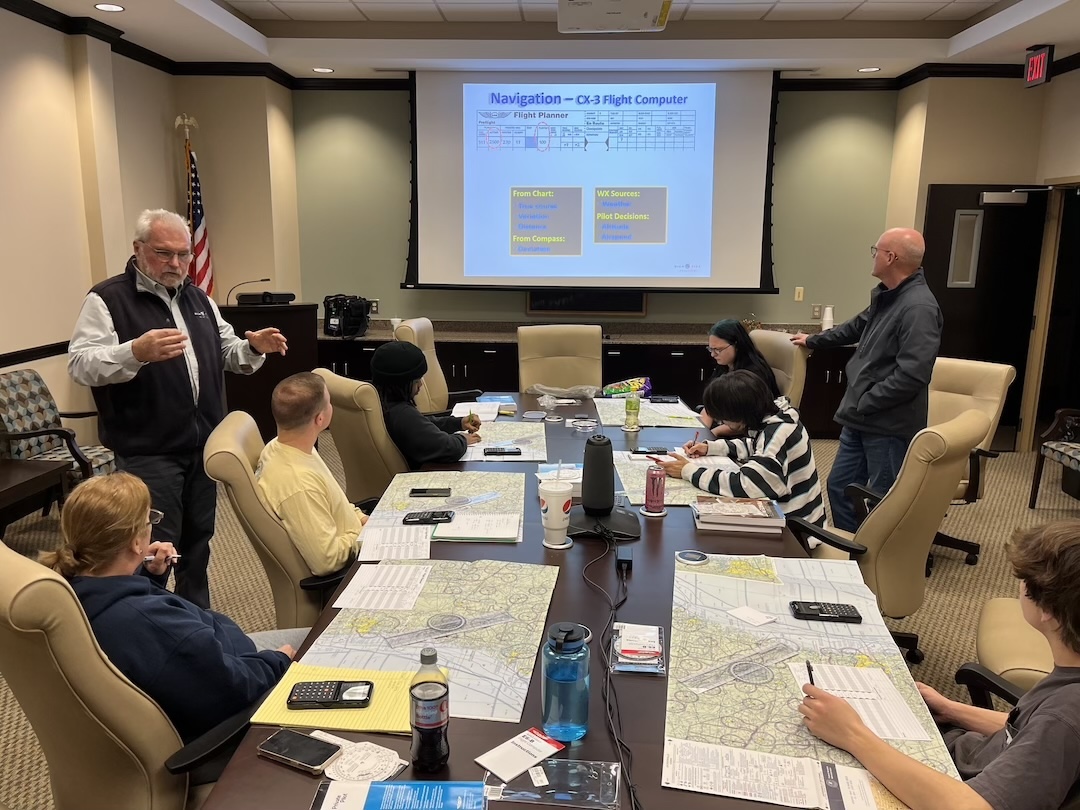
Ground preparation matters because the oral exam asks you to explain systems, performance, and engine-out aerodynamics in your own words. Our ground school options and our guide to checkride success give you tools for that conversation.
Frequently Asked Questions
What is a multi-engine rating?
It is a class rating that you add to a pilot certificate. It authorizes you to act as pilot in command of airplanes with more than one engine. Our multi-engine program covers the details.
What are the multi-engine rating requirements?
You need at least a private pilot certificate and a valid FAA medical certificate. You also want a solid grasp of single-engine flying to build on.
Is there a written test for the multi-engine rating?
No. You complete an oral exam and a practical test with an examiner. Your instructor prepares you for both.
How much does a multi-engine rating cost?
Our rating starts at $8,000, with dual instruction in the Baron at $650 per hour wet. Your total depends on proficiency, consistency, and weather. See our pricing page for the full picture.
How long does multi-engine training take?
Our program is built for one to two weeks. Students average 10 to 12 hours of flight training, and some finish in 5 to 6.
Can I finance multi-engine training?
Yes, many pilots do. Explore our financing resources to see which options fit your plan.
Start your multi-engine training at High Tide Aviation
You already know how to fly. A twin rating adds capability, confidence, and a clear next step in your career or your travel plans. Tell us your goals and your schedule, and we will build a one-to-two-week plan around them.


